22 Mom Svg Bundle: A Real Embroidery Designer’s Take
When I first opened the 22 Mom Svg Bundle, I wasn’t looking at it as a set of cutting files. I was thinking about how these shapes would feel under a needle, how they would sit on a finished tote bag or a soft baby blanket, and whether my customers would stop scrolling long enough to click “add to cart.” That’s the lens I use for every design asset I review, and this bundle gave me a lot to work with.
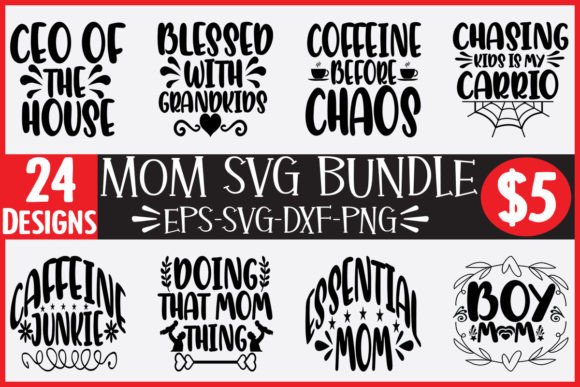
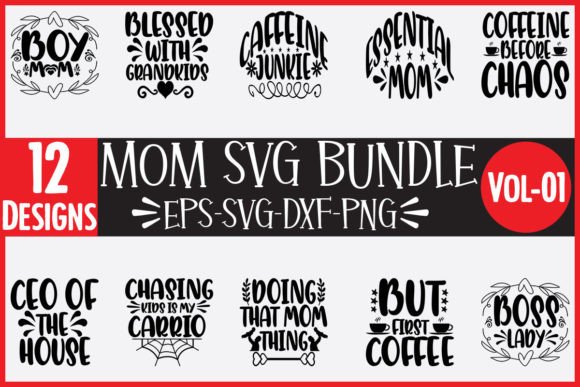
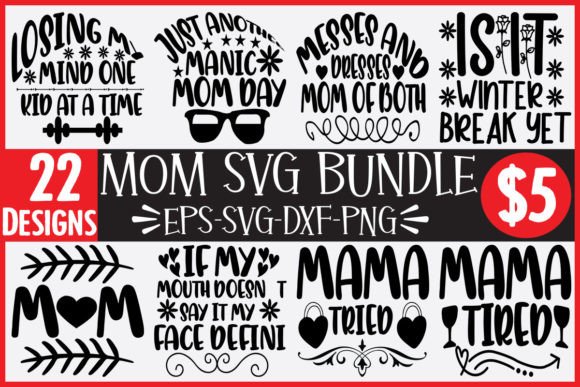
Right away, the mood is warm, clean, and intentionally sentimental. The collection leans into gentle script, bold serif typography, and familiar mom-themed motifs like hearts, florals, and sweet wordmarks. Nothing feels overly busy or gimmicky. For an embroidery designer, that’s a strong starting point. A design that already has breathing room and clear hierarchy translates much faster into a clean stitch file than one crammed with tiny details that turn into thread blobs on a 4x4 hoop.
First Impressions Before a Single Stitch Is Made
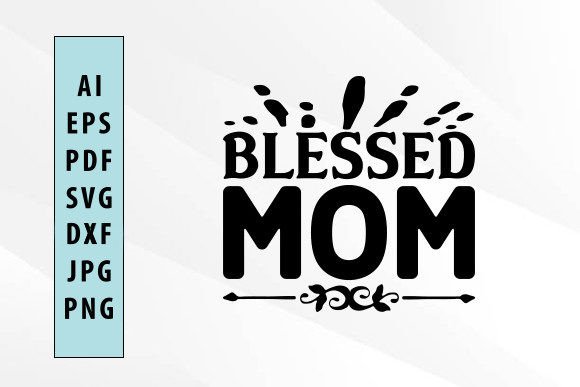
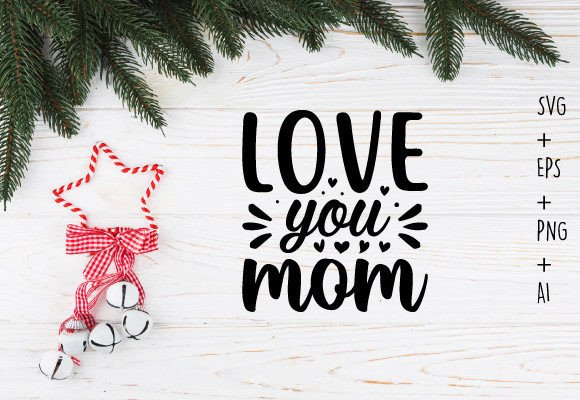
The visual personality of the 22 Mom Svg Bundle sits somewhere between boutique baby shower stationery and modern farmhouse signage. It’s not childish, and it’s not overly elegant either. That middle ground is exactly where I want to be for personalized gifts, craft fair products, and small-batch apparel. The lettering styles feel hand-drawn but polished, and the supporting elements—like tiny hearts, wreaths, and floral accents—give each design enough versatility to stand alone or get paired with a name or date.
Because these are Graphics files, I knew I’d be digitizing from scratch. That’s actually a benefit for me. I’m not locked into someone else’s idea of stitch type or density. I can turn a delicate script into a smooth satin stitch, let a bold “MOM” become a fill stitch with a subtle texture, or even pull elements apart for an applique design. The openness of an SVG bundle lets me control the embroidery outcome completely.
Where This Bundle Feels Most at Home
I tested this concept by mocking up a few real-world products I’d actually sell. A natural canvas tote bag with a large “Mama” script in cream thread was the first one. The design’s letter spacing and soft curves read beautifully even when I scaled it down to fit a 5x7 hoop. On a dusty pink sweatshirt, the same wordmark looked intimate and giftable, exactly the kind of thing someone would buy for a first Mother’s Day or a baby shower.
For smaller projects, I pulled a few of the simpler word-only designs. They worked nicely on a baby bodysuit, a cap front, and a linen pillow cover. The key was choosing designs that didn’t rely on ultra-fine hairlines or miniature florals. Embroidery thread has physical thickness, and what looks like a delicate detail on screen can disappear or turn muddy on fabric. That’s not a flaw of the bundle—it’s just a reality check every embroidery designer needs to do.
Thinking Through Fabric, Texture, and Hoop Size
Not every design in the 22 Mom Svg Bundle will work on every fabric, and I’d never expect it to. The ones with thin, wispy serifs or tight floral clusters need a stable, non-textured surface. I’d avoid using them on terry cloth, chunky knit, or any fabric with a deep pile. A smooth cotton twill, a high-quality quilting cotton, or a fine linen is a much safer home for those detailed pieces.
Dark fabrics also deserve extra attention. A design that looks airy and romantic on a white mockup can feel heavy or lost on charcoal or navy. I always test the black-and-white version of a design before I commit thread colors. The bundle’s linework holds up well in silhouette, but I’d still recommend a high-contrast thread choice—think ivory, blush, or soft gold—for richer backgrounds.
Hoop size is another practical checkpoint. Some of the more decorative compositions, especially those with wreaths and stacked text, really want a hoop that’s at least 6x10 to give the details room to breathe. I wouldn’t cram them into a 4x4 without simplifying the artwork first. The good news is that because I’m working from a scalable vector, I can edit, combine, or isolate elements to fit my hoop without losing quality.
How It Affects Customer Perception and Product Value
When someone buys a handmade “Mom” tote or a personalized baby blanket, they’re not just buying a product—they’re buying a feeling. The 22 Mom Svg Bundle gives me a consistent emotional language. The designs feel intentional, warm, and slightly nostalgic. That consistency builds trust across a product line. If a customer sees a “Mama” sweatshirt, a matching baby onesie, and a coordinating kitchen towel all using a similar visual voice, they’re far more likely to buy the set.
For Etsy sellers and craft fair vendors, this kind of design cohesion is a quiet branding tool. It’s not about slapping the same logo on everything; it’s about creating a recognizable aesthetic. I’ve seen small shops build entire Mother’s Day collections around a single design style, and this bundle has enough variety to support that without feeling repetitive.
Practical Embroidery Designer Notes
Before I put any of these designs into production, I run through a checklist that’s saved me more times than I can count. The same applies here.
- Test on scrap fabric first. I took a few of the more intricate floral designs and stitched them on the exact fabric I planned to use. The difference between a press cloth test and a real garment is night and day.
- Check thread color contrast. A pale peach thread on a cream background might look beautiful on screen but will wash out after one wash. I always choose a thread that’s at least two shades darker or lighter than the fabric.
- Review stitch density. Since I’m digitizing these myself, I can control how heavy the fill stitch gets. For a tote bag, I’ll go denser. For a baby onesie, I’ll keep it lighter and softer.
- Inspect small details. I zoom in on any tiny loops or serifs. If they’re thinner than 1mm, I either thicken them in the digitizing software or remove them. A broken stitch line ruins the whole look.
- Test in black and white. I strip the color out of the design preview to see if the silhouette still reads. This is especially important for designs that might end up on a hat or a dark apron.
- Use proper stabilizer. For stretchy fabrics like a sweatshirt or baby bodysuit, a cut-away stabilizer is non-negotiable. I’ll never skip this step.
- Confirm licensing before selling. Since this is a digital graphics bundle, I always check what the seller allows for finished physical products. Most SVG bundles are fine for personal and small commercial use, but I never assume.
The Real-World Scenario That Sold Me
I had a custom order for a Mother’s Day embroidered patch that would be sewn onto a denim jacket. The customer wanted something that felt like a handwritten note. I pulled a script design from the bundle, scaled it carefully, and digitized it with a soft satin stitch and a slight underlay for stability. The patch turned out crisp, and the tiny heart accent I added from another file in the bundle made it feel personal without being fussy. That’s the kind of outcome I look for: a design that adapts to a specific need without fighting me the whole way.
I could see the same approach working for a pillow cover in a nursery, a kitchen towel for a new mom, or even a blanket with a subtle corner embroidery. The bundle’s themes are universal enough to live in a lot of different handmade spaces.
Where You Should Use Extra Care
I’m honest about limitations because I’ve learned the hard way. Some of the designs in the 22 Mom Svg Bundle have thin, decorative flourishes that look gorgeous as a paper cut file but will needle up into a tangled mess if you don’t adjust the stitch angle or add a bit of pull compensation. Curved surfaces like caps demand extra attention—I’d avoid any design that relies on a perfectly straight baseline unless I’m floating the cap and testing registration carefully.
Layered garments or items with seams can distort a design, especially if the lettering sits right over a pocket or a side seam. I always reposition the artwork to avoid those areas. And for anything that will get frequent washing, like a baby bib or a kitchen towel, I choose a tighter stitch structure and a polyester thread that won’t fade.
Why It Works for a Craft Business
What I appreciate most about the 22 Mom Svg Bundle is that it doesn’t try to be everything. It’s a focused, cohesive collection that gives me a solid foundation for a product line. I can mix and match elements, create coordinating sets, and build a visual story that feels intentional. In a marketplace where “mom” products are everywhere, having a design asset that feels slightly elevated and genuinely sweet makes a difference in how my products are perceived.
For an embroidery designer, the value isn’t just in the files themselves. It’s in the time saved not having to draw a dozen variations of “Mama” from scratch. It’s in the confidence that the letterforms are already balanced and the motifs are clean. And it’s in the way a well-chosen design can turn a simple blank into something that feels like a gift before it’s even wrapped.
I’d recommend this bundle to any embroidery artist, small shop owner, or hobbyist who wants to create heartfelt, marketable mom-themed products. Just remember that it’s a starting point. Your skill as a digitizer, your fabric choices, and your willingness to test and tweak will determine the final stitch quality. The bones are good. The rest is up to you.