Behind Every Good Mom SVG Retro: A Designer's Review
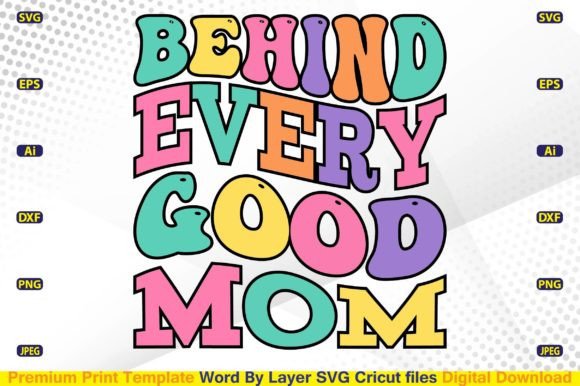
When I first opened the Behind Every Good Mom SVG Retro file, I immediately pictured it stitched out on a soft cream sweatshirt, the kind a customer would grab for a Mother's Day gift or a birthday surprise. There's something about the retro lettering style that feels both nostalgic and current, the kind of aesthetic that works beautifully in a handmade boutique setting or a personalized gift shop. As a designer who has tested hundreds of embroidery designs on real fabric, I know that a file can look perfect on a screen and turn into a headache the moment thread meets fabric. So I spent some time thinking through how this particular design would behave in actual embroidery projects, not just as a digital preview.
First Impressions and Visual Personality
The retro styling of this design gives it a warm, familiar feel. It's not trying to be sleek or modern, and that's exactly what makes it appealing for the right audience. The lettering carries a sense of nostalgia that reminds me of vintage kitchen decor, handmade aprons, and cozy family gatherings. When I evaluate a design like this for machine embroidery design use, I look at how the shapes will translate into thread. Retro typography often has gentle curves and slightly irregular letterforms, which can actually stitch out beautifully if the stitch density is balanced correctly. The mood here is sentimental without being overly sentimental, which means it appeals to a broad range of buyers looking for a personalized gift that feels genuine rather than mass-produced.
What struck me about Behind Every Good Mom SVG Retro is how the layout suggests a complete thought, the kind of phrase that makes someone stop and smile. This isn't a generic "Mom" design. It has personality, and personality sells. In my experience working with Etsy seller clients and small shop owners, designs that carry a full sentiment tend to perform better than single-word motifs because they tell a tiny story on the fabric.
Where This Design Naturally Belongs
I can easily picture this design on a canvas tote bag, the kind someone carries to a farmer's market or uses as an everyday bag. A tote bag design like this would catch eyes without shouting. The retro lettering would look equally at home on a kitchen towel hanging near the stove, a pillow cover on a cozy chair, or a simple apron worn during holiday cooking. For custom apparel, I would lean toward a unisex sweatshirt in a neutral tone, something that lets the design breathe and keeps the focus on the words themselves.
If I were preparing a handmade product for a craft fair or a boutique order, I would also consider baby items. A small version of this design on a baby onesie or a nursery blanket would make a lovely baby embroidery piece, especially for a baby shower gift where the sentiment resonates with new moms. The versatility here is a real strength. Unlike highly niche designs that only fit one product type, this one can move across categories without losing its charm.
Real Project Scenario: A Custom Sweatshirt Order
Let me walk through a practical scenario. A customer contacts me for a custom embroidered sweatshirt she wants to give her mom for Mother's Day. She wants something that feels special but not overly flashy, something her mom would actually wear. I open the Behind Every Good Mom SVG Retro file and start testing it on scrap fabric. The first thing I check is how the lettering reads at the intended size. Retro fonts often have thin connectors or decorative flourishes that can disappear if the hoop size is too small or the stitch density is too light. I run a test on a medium-weight cotton blend with a cutaway stabilizer, and I pay close attention to the small details inside the letters.
Thread color choice matters enormously here. A design like this can shift from playful to elegant depending on whether you use bright cherry red, soft sage green, or classic navy. I usually recommend testing the design in a black and white mockup first to see if the contrast holds up, then trying two or three thread color combinations on scrap fabric before committing to the final piece. This extra step separates a professional finished product from a rushed one, and customers absolutely notice the difference.
Stitching Performance and Practical Considerations
One of the biggest concerns with any typography-heavy design is how the fill stitch or satin stitch behaves across different fabric textures. A smooth cotton weave handles dense lettering well, but if you move to a textured fabric like a waffle knit or a thick terry cloth, you risk losing definition in the smaller characters. I would not recommend stitching Behind Every Good Mom SVG Retro on highly textured fabrics without first testing on a similar swatch. The retro lettering style, while charming, can become muddy if the fabric surface is too uneven.
For stretchy fabrics like jersey or performance blends, a proper stabilizer becomes non-negotiable. I typically use a fusible mesh stabilizer for lightweight knits and a medium cutaway for sweatshirts. Without adequate stabilization, the lettering can distort after the first wash, and that's the kind of quality issue that leads to returns or unhappy customers. If you're selling on Etsy or at a craft fair, your reputation rests on how well the embroidery holds up over time, not just how it looks fresh off the machine.
Where Extra Care Is Needed
Small hoop sizes are the enemy of detailed typography. If you try to squeeze this design into a 4x4 hoop when the lettering really needs more space, the running stitch outlines may become too fine, and the satin stitch columns could get so narrow that they snag or break. I always advise checking the minimum recommended hoop size before purchasing any digital embroidery file. The product description for Behind Every Good Mom SVG Retro indicates it comes as part of a zip file with layered SVG files, which is great for Cricut and Silhouette users, but for embroidery digitizing, you'll want to confirm how the design was originally structured and whether it needs any adjustments for your specific machine.
Dark fabrics present another challenge. If the design uses light thread on a dark background, any small gaps in the stitching become painfully obvious. I would test the design on black fabric with white thread before offering it as a standard option. Similarly, curved surfaces like caps or hats can warp the lettering if the design isn't specifically adjusted for that curve. I'd be cautious about using this on a cap without first running a test on a similar curved surface.
Commercial Use and Small Business Value
For creative entrepreneurs and craft business owners, the commercial viability of a design is just as important as how it stitches. The description mentions commercial use, which opens up possibilities for selling finished products at craft fairs, on Etsy, or through a boutique website. This is a significant advantage because many designs are licensed for personal use only, and discovering that limitation after you've already invested time and materials is frustrating.
I can see Behind Every Good Mom SVG Retro working well as part of a coordinated product line. Imagine a set of matching items: a tote bag, a kitchen towel, and a pillow cover, all featuring the same design in complementary thread colors. This kind of cohesive presentation increases perceived value and encourages customers to buy multiple items. For a small shop product lineup, consistency in design style builds brand recognition, and this retro aesthetic is distinctive enough to become a signature look.
Digital File Notes and Preparation
Since the product is delivered as a digital download with SVG files organized by layer, it's clear that the designer took care to make the files usable across different cutting machines. For embroidery specifically, you'll need to ensure the design is properly digitized for thread work, not just vinyl cutting. The layered structure suggests that each word or element can be isolated, which is helpful if you want to use only part of the design or adjust the layout for a particular project. I would recommend opening the file in your embroidery software and reviewing the stitch sequence before sending it to the machine. Check for unnecessary trims, overly long jump stitches, and any areas where the thread colors might need adjustment based on your fabric choice.
Testing on scrap fabric remains the single most important step I can recommend. Even a design that looks flawless in the preview can reveal issues under real stitching conditions. I keep a stack of fabric scraps in various colors and textures precisely for this purpose. Ten minutes of testing can save hours of frustration and wasted materials.
Giftability and Customer Appeal
One of the reasons I keep coming back to designs like Behind Every Good Mom SVG Retro is their giftability. A phrase like this resonates immediately with anyone shopping for a mom, a grandmother, or a mother figure. It works for Mother's Day, birthdays, baby showers, and even as a thoughtful "just because" gift. In my experience, customers are more likely to purchase a custom apparel item or a personalized gift when the sentiment feels authentic and the design looks like something they couldn't find in a big-box store. This design delivers on both fronts.
For holiday embroidery projects, this design fits neatly into the Mother's Day and Parents Day categories, but it's not so seasonal that it feels out of place the rest of the year. That year-round versatility is a practical advantage for inventory planning. You can stock items featuring this design without worrying that they'll feel dated after a specific holiday passes.
Final Thoughts From the Worktable
After spending time evaluating Behind Every Good Mom SVG Retro from a designer's perspective, I see it as a solid addition to a craft business library. The retro lettering gives it character, the sentiment is universally appealing, and the commercial licensing makes it practical for small business use. The design will shine brightest on smooth, medium-weight fabrics in neutral or light tones, with careful attention paid to stabilizer choice and thread color contrast. I would absolutely use this on a sweatshirt embroidery project, a tote bag, or a kitchen towel, and I would feel confident offering it to customers who want something heartfelt and well-made. Just remember to test, test, and test again before stitching on the final product. Your reputation as a maker depends on the quality of every single piece that leaves your workspace.