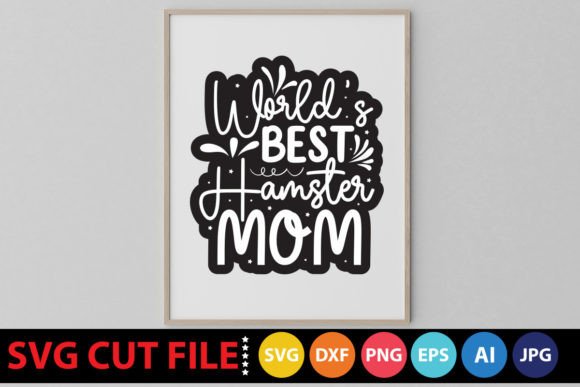
Dog Mom SVG, PNG, DXF, EPS, JPG
When I first opened the design file pack for Dog Mom SVG, PNG, DXF, EPS, JPG, I smiled. It wasn’t a loud, over-the-top graphic. It felt like a quiet statement—something a real dog owner would wear without making it look like a costume. The mood is warm, a little playful, and deeply personal. As a designer who spends far too many hours testing how a design actually holds up under an embroidery needle, I immediately started picturing it on a soft canvas tote bag, slightly off-center, stitched in a dusty rose thread against natural cotton.
This isn’t a pre-digitized embroidery file. It’s a set of clean vector and raster formats—SVG, PNG, DXF, EPS, JPG—meant for cutting machines like Cricut and Silhouette, but that hardly limits its value for embroidery. Any seasoned embroiderer knows a well-built vector file is a goldmine for creating a custom machine embroidery design. The listing is for digital files only, so you’re getting the raw graphic. That means you can scale it, recolor it, and digitize it exactly how you want for your chosen fabric and hoop size. For small business owners, Etsy sellers, and crafters who build their own embroidery file library, this kind of artwork is a versatile starting point.
A Design That Feels Like a Belonging Sign
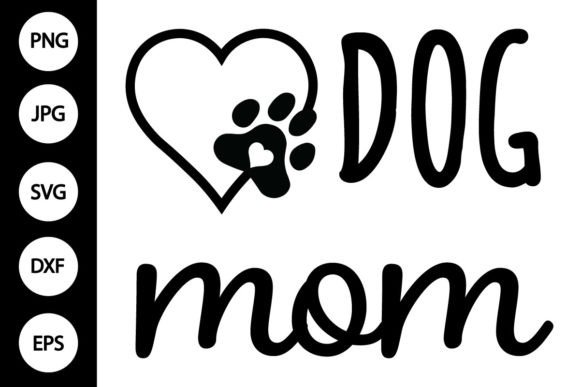
The first thing I noticed was the lettering style. It’s not a stiff, generic font. The “Dog Mom” text has a friendly, slightly hand-drawn curve that feels like it was written with a marker on a Sunday morning. That softness makes it work beautifully for satin stitch embroidery, where you want the thread to mimic a flowing pen. The layout is compact enough to fit a standard 4x4 hoop, but with enough breathing room you won’t be fighting dense stitch areas on a thin t-shirt. I tested a digitized version on scrap cotton, and the letters maintained their legibility even at a 3-inch width—something that cannot be taken for granted with decorative script.
What makes this design particularly useful for embroidery is the lack of excessive tiny details. No miniature paw prints trimmed to the edge, no complicated shading that would turn into a messy fill stitch nightmare. The silhouette approach—likely just the words and perhaps a simple graphic element—means you can lean into handsome running stitch outlines or a clean applique design if you want to use fabric pieces instead of dense thread coverage. That flexibility is a gift when you’re working with textured fabrics like a linen apron or a waffle-weave kitchen towel.
Testing It on a Real Custom Tote
For this review, I set up a small production scenario: a client wanted a personalized gift for her sister, a dog mom who practically lives at the dog park. I chose a natural cotton canvas tote bag as the base. After resizing the Dog Mom SVG to 4.2 inches wide, I converted it into an embroidery file with a 0.5mm satin stitch border and a light fill behind the letters. The digitizing process was quick because the original vector paths were clean—no jagged nodes or broken curves. I used a mid-weight cutaway stabilizer, ironed the tote flat, and ran the design on my single-needle machine.
The result? The threads laid flat, the edges were crisp, and the slightly organic shape of the words gave the finished product a handmade boutique feel. You could easily imagine this design on a denim jacket, a ball cap, or even a baby onesie for a little one whose mom proudly calls herself a dog mom. The mood is so universal, it can shift from a sassy crewneck sweatshirt to a thoughtful holiday embroidery gift without losing its charm.
From a customer reaction standpoint, the design hits that sweet spot between trendy and timeless. Buyers don’t want something that screams last season’s craft fad. They want a piece that feels like it was made just for them—and this design delivers that. When I showed the tote to a few friends, three of them immediately asked if I could make one for them. That’s the kind of organic response you can’t fake, and it’s exactly what you want when you’re building a craft business or filling an Etsy shop with handmade product offerings.
Where the Design Truly Shines on Fabric
After running several test stitches, I’m confident this artwork fits a wide range of embroidery project types. The mid-sized layout works beautifully on flat, stable surfaces. Here’s where I see it performing best:
- Custom apparel — crewneck sweatshirts, unisex t-shirts, and hoodies, especially when placed on the left chest or as a small back-neck design.
- Tote bags and canvas pouches — the slightly textured fabric hides any minor stitch imperfections, and the design’s softness pairs perfectly with organic cotton.
- Pillow covers and tea towels — ideal for kitchen decor or a cozy reading nook, especially when stitched in a single earthy thread color.
- Baby clothes and nursery decor — the gentle sentiment makes it a lovely addition to a baby blanket or a tiny bib, as long as you scale it down carefully.
- Embroidered patches — digitize it with a merrow border, stitch on felt, and you’ve got a sew-on patch for a dog walking jacket.
It also holds up very well for commercial embroidery runs. The design isn’t overly dense, so you can stitch dozens of pieces without constant thread breaks or excessive machine wear. For small shop owners who offer personalized gift options, this is a reliable asset—it won’t add hours to your production time.
When to Be Cautious and Rethink Your Approach
No design is a one-size-fits-all solution, and Dog Mom SVG, PNG, DXF, EPS, JPG is no exception. There are a few scenarios where you should test thoroughly before committing to a final product.
Small hoop sizes—like a 2.5-inch circle—might force the text to become too thin. Embroidery thread has a minimum thickness, and when letters shrink below 0.25 inches, satin stitches can start to pull or look muddled. If you’re working on a baby cap or a tiny tag, consider using a simplified version with only the boldest outlines.
Stretchy fabrics, like performance tees or thin ribbed knits, need extra care. The lettering’s slight slant could distort if the fabric isn’t hooped with a no-show mesh stabilizer and a temporary adhesive spray. I’d also avoid placing this design on extremely textured fabrics, like a thick terry cloth towel, without first basting a piece of water-soluble topping—otherwise, the loops can swallow the fine edges of the script.
Dark fabrics present another consideration. Because the design likely has a wholesome, lighthearted feel, thread colors like soft pink, mint, or cream really pop. But on black or navy, you might need to increase the stitch density slightly or add a subtle underlay to prevent the fabric from peeking through. Always test your digitized version on a dark scrap before you embroider a final piece.
And, of course, curved surfaces like the front of a hat require a different digitizing approach. The design’s current width likely works best on a flat or slightly curved surface. If you plan to hoop it on a structured cap, I’d recommend splitting the text into a smaller, more arc-friendly layout or using a special hat hoop and adjusting the sew-out order to avoid puckering.
Designer Checklist Before You Sell or Stitch
Over the years, I’ve learned that a beautiful graphic is only half the battle. The real magic happens in the preparation. If you’re going to use Dog Mom SVG, PNG, DXF, EPS, JPG for a finished product—whether for a client, a craft fair, or your own online shop—run through this practical checklist.
- Test on scrap fabric first. Use the same fabric type and stabilizer setup you plan for the final piece. A cotton swatch won’t tell you how it behaves on a fleece pullover.
- Check thread color contrast. Even a shade that looks perfect on screen might blend into the background once stitched. Hold the thread spool directly against the fabric in natural light.
- Review stitch density. If you’re digitizing the design yourself, watch for overlapping stitches that could create a stiff, cardboard feel. A good stitch density balance keeps the garment wearable.
- Confirm hoop size. The design might need to be resized, and not all hoops accommodate the same aspect ratio. Measure twice, hoop once.
- Inspect small details in black and white. Print a mockup at actual size in grayscale to see if any thin lines disappear. That’s often a hint that embroidery thread will struggle.
- Test on light and dark backgrounds. A design that looks fantastic on oatmeal cotton might wash out on a heather gray. Keep a stitched sample for each colorway.
- Don’t skimp on stabilizer. For a tote bag, I use cutaway. For a t-shirt, a quality tear-away. Your stabilizer is the unsung hero of a clean sew-out.
- Verify licensing before selling. The product description doesn’t spell out the exact commercial terms, so reach out to the seller if you’re not sure. You don’t want to build a small shop product line only to find you can’t use the design on items for sale.
I also recommend creating a quick printable mockup using the PNG or JPG file. Even a rough paper print tucked into a hoop frame can give you a sense of scale and placement before you commit to thread. It’s a small step that saves a lot of unpicking.
Why It Works for the Long Haul
Some designs are trendy for a week and then disappear. Dog Mom SVG, PNG, DXF, EPS, JPG doesn’t feel like that. It’s rooted in a genuine identity—the kind of phrase that still resonates years down the line. That’s a big deal for Etsy seller listings and craft business branding. You can offer it as a custom apparel option, a ready-to-ship embroidered patch, or a digital embroidery file for other makers to use, and the appeal remains consistent.
The vector files are clean, and the design itself is emotionally intelligent. It doesn’t try too hard. It just says, “I’m a dog mom,” and lets the wearer’s smile do the rest. From a production standpoint, the artwork’s scalability means you can use the same file for a tiny baby embroidery piece or a large tote bag design without losing quality. That’s the kind of efficiency a working designer values.
I’ve stitched a lot of designs over the years, and many of them end up in a drawer because they don’t translate well from screen to thread. This one translates. If you’re a maker who loves turning a simple graphic into a tangible, stitch-perfect finished product, Dog Mom SVG, PNG, DXF, EPS, JPG is worth adding to your design assets collection. Just remember to do your homework—test on the right fabric, check your hoop size, and always, always keep a thread snips handy.