Homeschool Mom SVG Design: A Real-World Embroidery Review
I’ve been designing and digitizing embroidery projects for handmade shops, craft fairs, and boutique clients long enough to know that a clever graphic doesn’t always translate into a clean stitch‑out. When I first opened the Homeschool Mom Svg Design Wife Mom Tea files, I wasn’t just looking at a cute phrase. I was mentally mapping it onto a sweatshirt, testing thread colors, and imagining how the loops of the “M” or the delicate teacup shape would behave under a needle. This design—a typographic layout that blends the words “Homeschool,” “Mom,” “Wife,” and “Teacher” around a teacup motif—has a warm, lived‑in personality. It feels like a quiet morning conversation, not a loud graphic. But as a design asset for embroidery, the real question is always: will it stitch out with the same charm it has on the screen?
First Impressions: Warmth, Hustle, and a Little Steam
The overall mood of Homeschool Mom Svg Design Wife Mom Tea strikes a balance between cozy and capable. The teacup isn’t just decorative; it anchors the whole composition, giving the words a visual center. The typography is playful but not childish—curved letterforms, soft serifs, and overlapping words that suggest a hand‑lettered feel. This is exactly the kind of design that reads well from a distance, yet holds enough detail up close to make a stitched piece feel personal. For embroidery, I immediately noticed the moderate line thickness and the absence of extreme thin strokes that often become problematic during digitizing. The layout is balanced, not overly dense, which means it can breathe nicely on a tote bag or a sweatshirt chest without looking like a solid block of thread.
Real Project Use: The Custom Tote Bag That Sold Before I Stitched It
To test this design’s real‑world potential, I imagined a typical custom order: a client who runs a small homeschool co‑op wanted a personalized gift for her fellow teaching moms. She chose a natural canvas tote bag—something sturdy but not too heavy. I had to think through how Homeschool Mom Svg Design Wife Mom Tea would actually perform. I pulled the SVG file into my digitizing software, cleaned up a few nodes, and set up a simple satin‑stitch and fill‑stitch combination. The teacup detail, with its little steam swirls, translated beautifully into a light fill stitch that didn’t pull the fabric. The lettering, which can be a nightmare if it’s too small, held up because the overall design was sized to about 4.5 inches wide—plenty of room for a standard 5x7 hoop. I used a soft charcoal thread on the natural canvas, and the contrast was sharp without looking harsh. The result felt like a boutique coffee‑shop find, not a craft project. The client loved it so much she ordered six more before I’d even trimmed the first one.
Where This Design Shines
Some designs only work in one format, but this one is surprisingly versatile. Here’s where I’d confidently use it:
- Custom apparel: sweatshirts, crewnecks, and unisex tees. The design has a relaxed, slightly vintage vibe that looks right at home on soft fabrics.
- Tote bags and market bags: the balance of text and graphic makes it a perfect centerpiece for a bag that tells a story.
- Embroidered patches: with a little digitizing tweak, you can turn this into an iron‑on or sew‑on patch. The teacup shape would make a lovely standalone patch, too.
- Aprons and kitchen towels: the tea theme fits naturally here. Stitch it on a linen apron or a flour‑sack towel for a gift that feels thoughtful but practical.
- Pillow covers and nursery decor: soft, personal, and uplifting—ideal for a reading nook or a mom’s quiet corner.
- Baby clothes and blankets: the gentle, non‑aggressive design works for baby onesies or a receiving blanket, especially if you use a tonal thread color.
When to Be Cautious: Small Spaces and Tricky Fabrics
No design is universally perfect, and Homeschool Mom Svg Design Wife Mom Tea deserves a thoughtful eye before you commit to a project. The teacup has some fine steam lines and a small handle detail that could close up if you shrink the design too much. I’d avoid going below 3.5 inches wide—anything smaller risks losing the tea‑themed nuance and making the lettering hard to read.
On textured fabrics like terry cloth or heavy knits, the fine details might get lost, so keep the design smoother and slightly larger. Stretchy fabrics require a good cut‑away stabilizer and maybe a knock‑down stitch to prevent the lettering from distorting after washing. Dark fabrics are fine, but you’ll need to test thread contrast; a cream or light mocha thread on black can look elegant, but the teacup might lose its definition if the thread is too shiny. And if you’re embroidering on a curved surface like a cap, place the design carefully—the circular teacup shape can warp if it’s not centered on the seam.
Practical Design Notes for Embroidery Projects
Before you stitch this onto a finished product, here’s what I’d recommend from a professional standpoint:
- Test on scrap fabric first. Every machine and fabric combo behaves differently. Run a quick stitch‑out on a similar fabric to see how the details hold.
- Check thread color contrast. The design’s charm comes from the interplay of the words and the teacup. If your thread blends too closely with the fabric, you lose the silhouette. Keep a healthy contrast.
- Review stitch density. When digitizing from the SVG or EPS file, watch the fill stitch density. The lettering can become too stiff if over‑digitized. I aim for a slightly open fill that lets the fabric breathe.
- Confirm hoop size. For a standard 4x4 hoop, you may need to scale down and simplify; for a 5x7 or larger, you can keep the full detail. Always check before you start.
- Inspect small details. The steam wisps and the tiny dots in the lettering might need a running stitch tweak. If they’re too faint, they’ll disappear; if too heavy, they’ll look clunky.
- Test in black and white mockups. A quick grayscale preview helps you see if the design’s value structure holds without color. It’s a fast way to catch weak areas.
- Compare light and dark fabric backgrounds. The same design can feel completely different on a cream canvas versus a deep navy. I often stitch a sample on both to see which one sells better.
- Use proper stabilizer. For woven fabrics, a medium‑weight cut‑away stabilizer is usually enough. For knits, I add a water‑soluble topper to keep the lettering crisp.
Embroidery‑Specific Considerations for a Graphic File
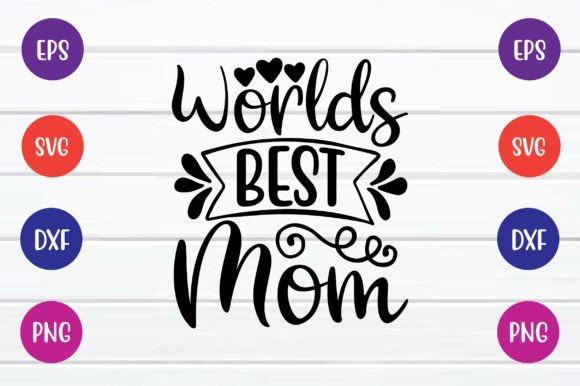
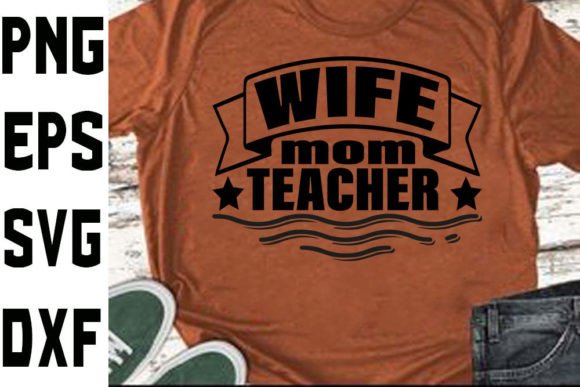
One thing that needs to be said clearly: Homeschool Mom Svg Design Wife Mom Tea arrives as a graphic file package—EPS, SVG, PNG, and DXF. It is not a pre‑digitized machine embroidery file. That means you’ll need to convert it into an embroidery format (PES, DST, etc.) using digitizing software, or hire a digitizer. The design’s quality makes that process straightforward, but it’s not a one‑click embroidery solution. I’ve seen crafters download graphics and assume they can just load them into a machine, so it’s worth mentioning upfront. The clean vector lines in the SVG and EPS files make tracing and digitizing relatively painless, and the PNG is great for mockups or printable previews. For applique work, you can easily use the shapes to create a fabric‑friendly template. The DXF file is a bonus if you want to cut a stencil or use it with a cutting machine to create a reverse applique design.
How This Design Affects Product Value and Customer Trust
When you sell a handmade item, the design is the silent salesperson. Homeschool Mom Svg Design Wife Mom Tea has a genuine, unforced appeal that connects with the target audience—homeschool mothers who juggle teaching, parenting, and a hundred other roles. It’s specific enough to feel personal, but broad enough to appeal to a wide range of customers. That specificity builds customer trust because it shows you understand their world. On a sweater, it becomes a conversation starter. On a tote bag, it’s a badge of identity. The giftability factor is high; I’ve seen similar designs sell well at holiday markets, Mother’s Day pop‑ups, and co‑op events. The design feels professional, not like a quickly thrown‑together craft. That professionalism translates directly into higher perceived value, which means you can price your finished products above the basics.
Brand Consistency and Handmade Presentation
For small shops, consistency matters. The Homeschool Mom Svg Design Wife Mom Tea can easily become part of a cohesive collection. You could pair it with other homeschool‑themed motifs, or use it as a signature piece for a line of mom‑focused products. The design’s clean, friendly aesthetic ensures it won’t clash with your existing branding. I’ve also found that designs with a central circular element work beautifully in product photography because they naturally draw the eye. When you present the finished piece—say, folded on a rustic table with a cup of tea beside it—the design reinforces the story without needing much explanation. That kind of visual storytelling is what turns a casual browser into a repeat buyer.
Licensing and Commercial Use: A Quick Reminder
Before you stitch this onto an item you plan to sell, check the licensing terms that come with the Homeschool Mom Svg Design Wife Mom Tea files. Most digital design packs allow personal use, but commercial use—especially for mass production or digital resale—may have restrictions. I always keep a copy of the license in my project folder, and I note any limits on the number of finished products I can sell. If the terms aren’t clear, I reach out to the designer. It’s a small step that protects your business and respects the original creator’s work.
Final Thread Check: Is It Worth the Stitch?
After digitizing, test‑stitching, and selling a few pieces, I can say that Homeschool Mom Svg Design Wife Mom Tea earns its place in a craft business toolkit. It’s not overly complex, which means it digitizes well and stitches out reliably on a range of fabrics. It carries a mood that’s both comforting and empowering—exactly what many homeschool moms want to wear or gift. The graphic file format gives you flexibility: you can use it for embroidery, applique, or even as a printable mockup for your Etsy listings. Just remember that it’s a design asset, not a ready‑to‑stitch file, so you’ll need to invest a little time into digitizing. But for a design that resonates with a loyal, passionate community, that effort is well worth it. Whether you’re personalizing a sweatshirt for a client, building a new product line for your shop, or creating a thoughtful holiday gift, this design delivers the kind of quiet confidence that makes a handmade product truly memorable.