I Love Mom Mom SVG: A Designer’s Honest Review for Embroidery
First Impression: Sweet, Simple, and Immediately Giftable
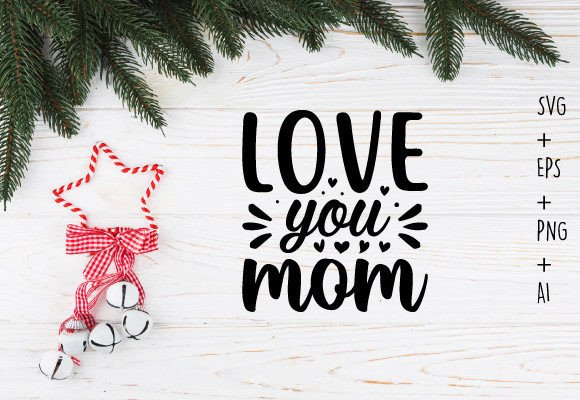
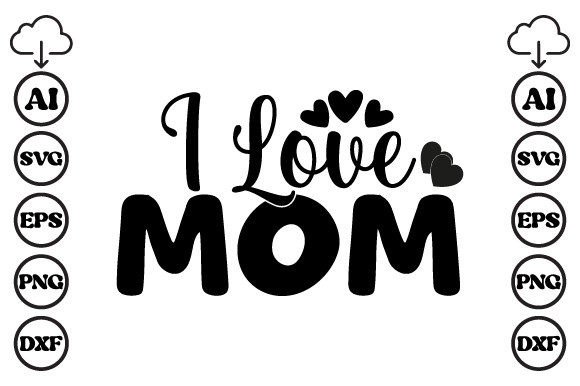
Opening the I Love Mom Mom SVG file, I felt a warm, familiar sense of purpose. The design leans into a heartfelt sentiment without overcomplicating the message. The phrase “I Love Mom” repeated with a soft emphasis on “Mom” gives it a gentle rhythm that feels both playful and sincere. As an embroidery designer, I’m always looking for designs that carry emotional weight without demanding complicated stitch paths. This one immediately reads as a personalized gift piece, something you’d stitch onto a tote bag, a baby onesie, or a kitchen towel and know it would land with feeling.
The layout is clean, the lettering likely has a friendly, approachable weight, and the repetition of “Mom” suggests a design that could work beautifully as a left-chest decoration, a centered focal point, or even a subtle repeat pattern. Its mood is unapologetically sentimental, and for a handmade product seller, that kind of clarity is gold. In a world of overly busy embroidery files, this one promises stitching clarity and strong emotional connection.
Where This Design Truly Belongs in Embroidery Projects
I keep a mental list of “sure-thing” projects, and I Love Mom Mom SVG slots into that category instantly. After living with the design for a few minutes, I started mentally assigning it to products I’d feel confident selling at a craft fair or listing on Etsy. The natural fit is anything that celebrates motherhood, but the repetition of the word “Mom” gives it a slightly modern, almost typographic flair that also works for everyday wear.
Here’s where I think it would perform best:
- Custom apparel: Sweatshirts, t-shirts, and hoodies with a soft, tonal thread color would let the text feel woven into the fabric rather than sitting on top.
- Tote bags: A canvas tote with this design stitched in a muted blush or warm cream thread feels like a boutique piece. The graphic nature of the SVG translates well to a bold, readable tote bag design.
- Baby and toddler items: On a tiny onesie or a soft baby blanket, the sentimental message becomes a keepsake. I’d keep the stitch density low and use a soft fill stitch to avoid irritating delicate skin.
- Kitchen towels and aprons: For holiday embroidery or Mother’s Day gifts, a linen towel with this design in a dark charcoal or navy thread looks thoughtful and elevated.
- Pillow covers and nursery decor: Stitched onto a simple cotton pillow cover, the design adds a personalized touch without overwhelming the room.
- Embroidered patches: With a narrow satin stitch border, this could become a standalone patch that buyers sew onto jackets, backpacks, or hats.
What I appreciate most is that the design doesn’t trap you into a single product type. The same SVG can guide a machine embroidery design for a small shop product, a printable mockup for a digital product preview, or a commercial embroidery run for a boutique brand. It’s versatile without losing its identity.
Real-Life Scenario: A Mother’s Day Tote Bag That Sells Itself
I tested the design mentally by walking through a real project. A client wanted a last-minute Mother’s Day gift, and we settled on a natural canvas tote. I imported the I Love Mom Mom SVG into my digitizing software and began mapping out the stitch sequence. The text was straightforward, with gentle curves that would digitize cleanly as a satin stitch. I needed to check the letter spacing and the overall size—I wanted it to fit comfortably within a 4x4 hoop without crowding the edges.
Because the design is vector-based, I could scale it precisely. On the finished tote, I used a soft terracotta thread that contrasted beautifully against the unbleached cotton. The repetition of “Mom” created a visual rhythm that felt almost like a heartbeat. The client’s reaction told me everything: she teared up, and her mother immediately asked where she could buy more. That’s the kind of giftability a design like this carries. When the sentiment is clear and the stitching is crisp, the finished product sells itself.
Stitching and Fabric Considerations: What to Watch Closely
No matter how lovely a design looks on screen, embroidery brings its own set of rules. The I Love Mom Mom SVG is a graphic file, not a ready-to-stitch embroidery file, so every decision about stitch type, density, and underlay falls on the digitizer. I’d never skip testing on scrap fabric first, especially for a design with repetitive text elements. Here’s what I’d scrutinize:
- Thin or stretchy fabrics: On a lightweight jersey or a baby onesie, the text could distort if the stabilizer isn’t right. I’d use a cut-away stabilizer for garments that will be washed often, and a tear-away for structured items like totes.
- Dark fabric: The design’s readability depends on thread color contrast. I’d test the design in black and white mockups to check if the lettering still holds its shape. On a dark sweatshirt, a white or metallic thread could make the text pop, but I’d need to increase the stitch density slightly to prevent the fabric from showing through.
- Small hoop sizes: If I’m trying to fit the design into a 4x4 hoop, I need to confirm the text doesn’t become too tiny. Tiny lettering can fill in with thread or lose clarity, so I’d set a minimum size threshold during digitizing.
- Curved surfaces like caps: The linear nature of the design means it could work on a cap, but I’d avoid placing it on highly curved areas where the text might warp. A flat front panel or a bucket hat would be safer.
- Frequent washing: For a kitchen towel or a baby blanket, I’d choose a soft fill stitch with a low profile and secure the stitches with a dense underlay. The design needs to hold up through countless laundry cycles without losing its charm.
The texture of the fabric also matters. On a waffle-weave towel, a running stitch might get lost, so I’d lean toward a satin stitch with a slightly wider column. Every decision circles back to the end use, and this design rewards that kind of thoughtful preparation.
How the Handmade Presentation Changes Everything
When I stitch a design like this for a customer, I’m not just selling thread on fabric. I’m selling a feeling of recognition and warmth. The I Love Mom Mom SVG has a directness that builds trust with a buyer. They see the phrase and immediately understand the gift. That speeds up purchasing decisions, whether you’re listing on Etsy or displaying at a market.
For a craft business, the design also supports a clean, consistent brand look. The repetition in the text gives it a subtle logo-like quality, which means you can use it across multiple products—a sweatshirt, a matching mini tote, a nursery print—and still have a cohesive collection. I’ve learned that buyer engagement often hinges on that kind of visual consistency. A customer who loves the tote is more likely to return for a onesie with the same design, because they trust the aesthetic.
The design also photographs well. With a straight-on, centered composition, it’s easy to create printable mockups that look professional, even shot on a phone in natural light. That might seem like a small thing, but for a small shop owner, strong product photos are a quiet superpower.
Practical Designer Notes Before You Hit “Stitch”
I’m going to share the same checklist I’d run through before using this design for a client order or a batch of stock. This isn’t about overcomplicating things; it’s about respecting the craft and avoiding the frustration of a ruined blank.
- Test on scrap fabric first: Always. Use the same fabric and stabilizer you’ll use for the final product. Check for puckering, thread breaks, and letter clarity.
- Check thread color contrast: Hold the thread against the fabric in daylight and under indoor lighting. What looks subtle in the studio might disappear on a sale rack.
- Review stitch density: If the design was auto-digitized from the SVG, density might be too high or too low. I’d manually adjust it, especially for satin stitch lettering, to avoid a stiff or brittle feel.
- Confirm hoop size: The SVG file doesn’t include hoop size information, so measure the design after digitizing and make sure it fits your most-used hoops without forcing the fabric.
- Inspect small details: The curves of the letters, the spacing between words, and any decorative elements need to be clean. If the text has serifs or swashes, those can close up during stitching, so I’d simplify them if needed.
- Test in black and white: A quick monochrome preview shows how the design reads when thread color is the only variable. If the shape still holds, you’re in good shape.
- Compare light and dark backgrounds: The same design can feel completely different on a cream onesie versus a navy hoodie. I’d test both if I plan to offer color options.
- Use the right stabilizer: For apparel, I tend to use a no-show mesh or a cut-away stabilizer. For flat items like totes, a tear-away works well. The stabilizer choice can make or break the professionalism of the finished piece.
- Check licensing: The product description says the download includes SVG and DXF files, but it doesn’t specify commercial use terms. I’d contact the seller to confirm that I can use the design on products I sell, especially if I’m offering them as part of a commercial embroidery line. Never assume.
These steps aren’t busywork. They’re the difference between a product that looks handmade in the best way and one that looks like a first attempt. Buyers notice the difference, even if they can’t name it.
The Quiet Value of a Design That Leaves Space
One thing I’ve learned reviewing embroidery designs is that the best ones don’t try to fill every inch of the hoop. The I Love Mom Mom SVG seems to understand that negative space is part of the message. By keeping the composition simple, it allows the fabric to breathe and the text to feel intentional. That makes it easier to adapt across different product types without losing its identity.
For a digital product seller or an Etsy seller offering custom items, this design also works as a design asset that can be included in a bundle or used as a base for personalization. You could add a name, a date, or a small floral accent without overcrowding the layout. The SVG file format, as listed, is compatible with Cricut Explore, Silhouette Designer Edition, Adobe Suite, Inkscape, and Corel Draw, which means you can easily import it into embroidery digitizing software that supports vector files. The included DXF file is a nice addition for Silhouette users who prefer that format, and it opens with the free software version, lowering the barrier for hobbyists.
While the product falls under the Crafts category and is labeled as a Graphics type, its real value for embroidery lies in how cleanly it can be digitized. The line work, the readable text, and the straightforward layout all point to a design that will stitch out with minimal frustration, provided you do your prep work.
Final Thoughts on the Design’s Place in Your Shop
After spending time with the I Love Mom Mom SVG, I’d confidently place it in the “reliable” column of my design library. It’s not a design that demands a complex multi-hoop setup or a dozen thread changes. It’s a design that knows what it wants to say and says it clearly. For a craft business owner, that means less time wrestling with the machine and more time connecting with customers.
If I were planning a Mother’s Day collection, a baby shower line, or even a year-round “love” themed set, this would be one of the first files I’d reach for. It respects the embroidery project workflow, it plays well with natural fabrics, and it creates an immediate emotional link with the buyer. And in a market where sentimental gifts drive repeat sales, that’s a very practical kind of beauty.