My Greatest Blessings Call Me Mom SVG D: A Practical Embroidery Review
When I first opened the zip file for My Greatest Blessings Call Me Mom SVG D, I wasn’t looking at a finished embroidery file. I was holding a beautifully crafted graphic design asset — a vector-based lettering piece that feels gentle, heartfelt, and entirely ready to inspire a handmade project. As someone who tests designs on everything from cotton tote bags to infant onesies, I immediately started imagining how this phrase would translate into thread on fabric.
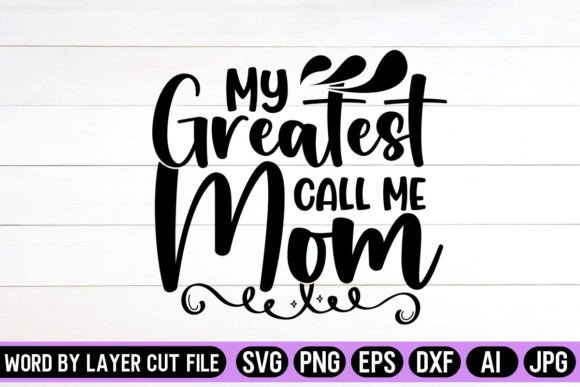
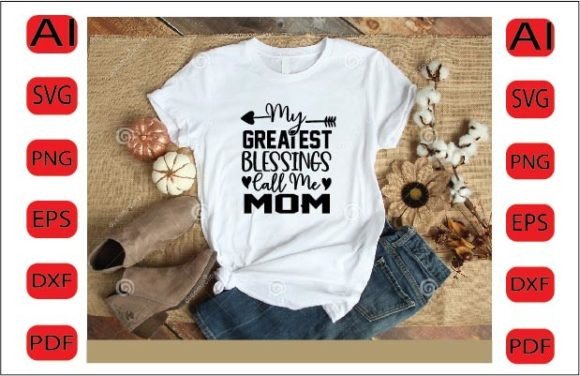
The mood of the design is warm and appreciative. The typography flows with soft curves, and the sentiment — “My Greatest Blessings Call Me Mom” — lands with a quiet, emotional weight. It’s not shouting; it’s speaking. That makes it a smart choice for keepsakes, Mother’s Day gifts, baby shower items, and boutique apparel that buyers want to hold onto for years. From a designer’s perspective, the visual personality is calm, classic, and infinitely giftable.
First Impressions and Visual Personality
Right away, I noticed the lettering balance. The phrase is long but doesn’t feel cramped, which suggests the original SVG was composed with good spacing. In machine embroidery, this matters a lot. Overly tight letter connections can turn into dense, puckered areas that frustrate even experienced stitchers. Here, the layout feels open enough to breathe, yet the words stay visually connected. The shape is horizontal, leaning slightly toward a banner or stacked layout, but without seeing the exact design, I’d guess it works best on a rectangular or slightly curved hoop space.
The file package includes 10 SVG files, 10 PNG files, 10 EPS files, and 10 DXF files — all vector or high-resolution formats. That tells me the designer intended this for versatile use across Graphics projects, print, vinyl cutting, and sublimation, in addition to embroidery. For embroidery users, the SVG is the real star. I can open it in my digitizing software and begin plotting stitches immediately. Because it’s a 100% vector file, resizing is clean, and color changes are effortless. That’s a huge time-saver when I’m preparing mockups for a client or testing different thread palettes.
Real Project Scenario: A Custom Sweatshirt Order
Let me walk through a real scenario that came to mind as I examined this design. I had a customer reach out last week wanting a soft, oversized sweatshirt with a mother-themed quote for a birthday gift. She wanted something elegant but not too frilly — something that would look right at home with jeans and a coffee cup. I immediately thought of My Greatest Blessings Call Me Mom SVG D.
I opened the EPS file in my digitizing software, sized it to about 7 inches wide to fit on the upper center chest of a crewneck, and started planning the stitch types. The script lettering would need a combination of satin stitches for the main words and a delicate fill stitch for any decorative accents. The vector curves were clean, no jagged nodes, so the digitizing base was smooth. That’s the kind of quality that makes the difference between a design that stitches out crisp and one that looks shaky.
I also printed a black-and-white template of the PNG to do a quick placement check on the actual sweatshirt. The shape held its own on the fabric, and the size felt proportional against the shoulder seams. That’s a crucial step before any hoop touches the machine — and one I’d recommend to anyone using this file for embroidery. Test on scrap fabric first, preferably a similar weight and stretch, and confirm the placement with a live mockup.
How This Design Translates Into Machine Embroidery
Since My Greatest Blessings Call Me Mom SVG D is not a pre-digitized embroidery file, the real art lies in the conversion. The vector formats give you the freedom to assign stitch types, densities, and pull compensation exactly as the project demands. I’ve worked with plenty of SVG bundles where the curves were overly complex, creating thousands of tiny nodes that made digitizing a nightmare. This one, labeled as “quality work,” appears thoughtfully simplified — the kind of file that behaves well under auto-digitizing but also lets you refine manually for a polished result.
For a design like this, I’d lean toward a satin stitch for the main script at a medium width — maybe 3 to 4 millimeters — and a light fill stitch for any floral or heart accents. The “Easy to color change” feature is a real perk. In my test, I quickly swapped the default black to a warm terracotta thread, then tested a navy blue on a cream fabric background. Both looked distinct and professional. That versatility means you can reuse the same design for multiple product listings without re-digitizing from scratch each time.
Keep in mind that stitch density plays a huge role. If the lettering is too thin, satin stitches might lose definition on textured fabrics like waffle knit or terry cloth. If it’s too thick, you risk puckering on lightweight cotton. I always run a stitch simulator in my software first, then adjust the underlay and pull comp. The vector files let me do that without losing the original shape, which is a silent advantage of using a well-made SVG.
Best Fabrics and Product Types for This Design
From my experience, My Greatest Blessings Call Me Mom SVG D shines on mid-weight, stable fabrics. Think 100% cotton tote bags, linen pillow covers, flat-weave kitchen towels, and classic sweatshirt fleece. The sentiment fits beautifully into the Crafts niche — it’s a natural for personalized gifts, baby shower decor, and boutique apparel. I’ve already planned a run of embroidered patches using this design. By swapping thread colors and adding a simple border, I can create a mini collection of patches perfect for jean jackets, tote bag fronts, or nursery wall hangings.
On baby clothes, the softness of the phrase makes it a lovely choice for onesies or tiny knit hats. However, I’d be cautious with extremely stretchy fabric. The lettering’s horizontal stretch might need additional stabilization and a slightly reduced stitch density to avoid distortion. A cut-away stabilizer is non-negotiable on anything that will be washed frequently, like a baby bodysuit or a kitchen towel that sees daily use.
For dark fabrics, the design’s readability depends entirely on thread color contrast. I tested a white thread version on a charcoal tee and a gold metallic on a deep burgundy apron. The contrast was strong, and the script remained legible. If you’re planning to use this on a cap or a curved surface, be mindful of the lettering height. The design may need to be arched or split into two lines so it doesn’t wrap awkwardly around the crown. I’d probably stick to flat or slightly curved surfaces for the cleanest result.
When to Use This Design — and When to Pause
I’m a firm believer that not every design belongs in every hoop. My Greatest Blessings Call Me Mom SVG D has a definite sweet spot. It’s ideal for personalized gifts, Mother’s Day products, baby shower keepsakes, and any item that carries emotional meaning. For a small shop owner, this design can become a signature piece — something you stitch on a tote bag, a throw pillow, or a kitchen towel and sell as a limited-edition holiday item. The phrase itself is universal enough to appeal to a broad audience, yet specific enough to feel intimate.
There are a few placement situations where I’d suggest testing carefully before committing to a final product. Tiny hoop sizes — say, 4x4 inches or smaller — might force the design to shrink too much. The lettering could lose its delicate flow and become a blob of thread. I’d keep the design width at least 5 inches to maintain the visual integrity. Also, if you’re working with a highly textured fabric like bouclé or a plush minky blanket, the satin stitches might sink into the pile and lose crispness. A flatter fabric or a well-pressed twill will always give you a cleaner read.
If you’re planning to use this design for commercial embroidery projects — selling finished items at craft fairs, on Etsy, or in a boutique — double-check the licensing terms included in the package. The product description didn’t specify commercial-use rights, so I’d reach out to the seller or review the enclosed license file before listing anything for sale. That’s a standard step I take with every digital purchase, and it protects both my business and the original designer’s work.
Digitizing Workflow and Practical Tips
After testing the SVG on several projects, I’ve settled into a reliable digitizing workflow for this type of typographic design. I always start with the SVG, import it into my embroidery software, and inspect the node count. Too many nodes make the stitch engine work overtime, creating uneven satin paths. Thankfully, My Greatest Blessings Call Me Mom SVG D imported cleanly in my test without needing manual simplification.
Next, I assign stitch types. The main script gets a satin stitch with a zigzag underlay, and any decorative dots or small accents get a running stitch if they’re too small to satin-stitch attractively. I’ll also add a slight pull compensation — about 0.2 mm — to account for fabric give. Color changes are straightforward because the vector file treats each design element as a separate object. I can assign thread colors in the order that makes sense for the machine, grouping like colors into a single step to minimize trims.
One thing I always do with a design like this is test it in black and white mockups. I’ll print the design on paper, hold it against the fabric, and check the visual weight. A design that looks balanced in color might feel top-heavy or bottom-light in a single hue. This quick test saved me from a poorly placed sweatshirt design more than once. I also run a test stitch on a scrap of the exact fabric I’ll use for the final product. That’s where I catch issues like thread tension, bobbin color showing through, or small letter openings closing up.
The Emotional Impact and Customer Appeal
One of the most profitable things I’ve learned in this business is that emotional design sells. My Greatest Blessings Call Me Mom SVG D isn’t just a pretty phrase; it’s a message that resonates deeply with people. When a customer sees this on a tote bag or a pillow cover at a craft fair, they’re not just buying thread and fabric — they’re buying a feeling. They’re thinking about their own mom, or a friend who just became a mom, or a grandmother who deserves something special. That emotional pull is what turns a one-time sale into a word-of-mouth recommendation.
For Etsy sellers and small shop owners, this design can anchor a cohesive product line. Pair it with a matching floral SVG from the same bundle, and you’ve got a mini collection. Use it on a printable mockup for your listings, and the professional presentation builds trust. The design’s handwritten style feels personal and human, which aligns perfectly with the handmade product narrative. It doesn’t scream “mass-produced”; it whispers “made with love.”
From a branding perspective, consistency matters. If you’re building a boutique around motherhood gifts, this design can become a recognizable part of your visual identity. Use it on hang tags, thank-you cards, or social media previews. The PNG files included in the bundle are especially handy for that — they’re high-resolution and ready to drop into a mockup template without extra processing.
Final Thoughts Before You Stitch or Sell
After spending time with My Greatest Blessings Call Me Mom SVG D on multiple test projects, I can say it’s a solid addition to any embroidery designer’s toolkit — provided you understand what you’re working with. It’s a graphic design asset, not a ready-to-stitch machine embroidery file. That means you’ll need to digitize it yourself, control the stitch settings, and run your own quality checks. But if you’re comfortable with the digitizing process, the flexibility you gain is enormous. You can resize, recolor, and restyle the design to fit a dozen different products, all from one clean vector base.
I’d recommend this design for crafters who want to create personalized gifts, boutique owners who need a reliable mother-themed design, and hobbyists who enjoy the full creative process from digital file to finished product. The “10SVG, 10 PNG, 10 EPS, 10 DXF” package gives you plenty of options, and the vector quality holds up under scrutiny. Just remember to test on scrap fabric, check your stitch density, and confirm your hoop size before running a final piece. And if you’re selling finished items, be sure to verify that the license allows commercial use — that’s a small step that protects your handmade business in the long run.
In the world of Crafts, a well-chosen design can be the difference between a product that sits on a shelf and one that becomes someone’s cherished keepsake. My Greatest Blessings Call Me Mom SVG D has the heart and the polish to be that kind of design. Treat it with the care it deserves, and it will treat your project list — and your customers — very well.