Oh Honey I Am That Mom: A Designer's Embroidery Review
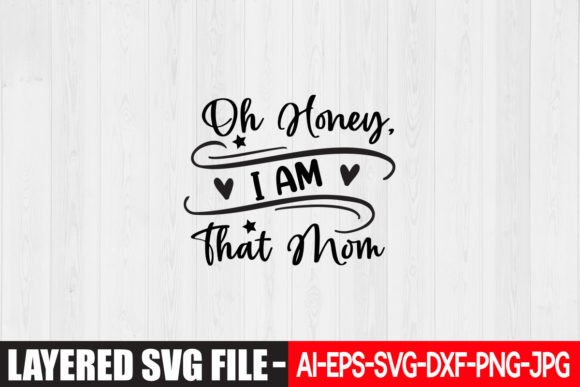
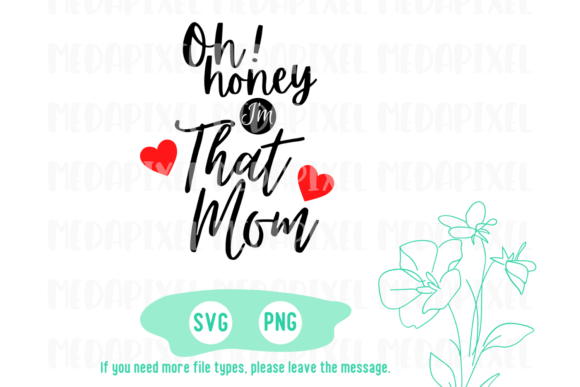
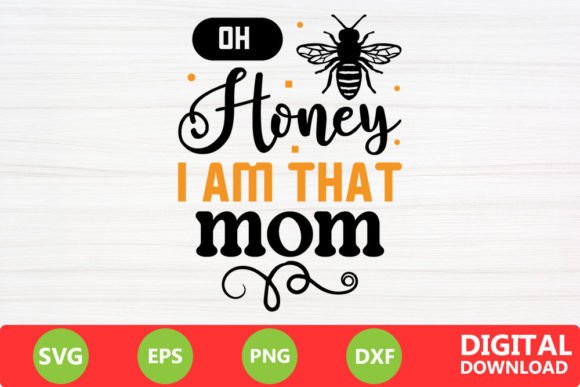
When I first opened Oh Honey I Am That Mom Svg, I smiled. It's a design with personality—a playful, confident statement that feels instantly familiar. This isn't a generic, sterile graphic; it has a hand-drawn, conversational warmth. The layout is balanced, the lettering friendly, and the overall mood is one of lighthearted pride. As a designer who regularly turns digital files into physical, stitched products, my first thought was: this belongs on something cozy and personal.
The Natural Habitat for This Design
Immediately, I pictured this design stitched onto a soft cotton sweatshirt or a canvas tote bag. It has that perfect blend of casual and declarative that makes for great everyday wear. I also saw it working beautifully on a baby's blanket or a nursery pillow—a gentle, funny affirmation from a parent. For small business owners, especially those selling in boutiques or on Etsy, this design translates into products with strong gift appeal. It feels like a ready-made personalized gift, even before you add a name.
Consider a real scenario: a client requests a custom gift for a friend who just became a mom. You're preparing an embroidered kitchen towel or a cozy pillow cover. Oh Honey I Am That Mom Svg offers that perfect, witty message without needing extensive customization. The design's visual personality does the talking, creating a finished product that feels thoughtful and specific, not mass-produced.
Performance in Real Embroidery Projects
The provided file formats—SVG, EPS, PNG, DXF—are a practical suite for us makers. They speak to versatility. The vector files mean you can resize confidently for different projects without quality loss, a must when jumping from a large tote bag to a smaller cap. The claim of being color-changeable is key; it allows you to adapt the palette to your fabric or your brand's colors.
On apparel like t-shirts and sweatshirts, this design should stitch out cleanly. The lettering appears to have enough weight to remain readable after stitching, which is crucial for customer satisfaction. For a decorative patch, perhaps for a backpack or apron, the cohesive shape would make for a neat, finished edge. In commercial embroidery settings, running this file for multiple units on polo shirts or caps for a small business's merchandise line would be straightforward, given its likely manageable stitch count.
Where Its Appeal Really Shines
The design boosts the perceived value of a handmade product. On a simple tea towel or a plain cap, it adds a layer of character and humor. For creative entrepreneurs, using it consistently across a line of products—say, on tote bags, aprons, and baby onesies—can build nice brand recognition. Customers engage with relatable, human messages; this design fosters that connection. It feels professional without being corporate, which is the sweet spot for craft business items.
Practical Considerations and Careful Applications
While the design is versatile, a professional's eye sees where to proceed with caution. The detail in some of the letterforms and the potential for smaller decorative elements means you need to be mindful on very small hoop sizes. Stitching this onto a delicate, textured fabric like a loosely knit sweater might require extra stabilizer planning to keep the stitches crisp.
On thin or stretchy fabrics, always test first. The stitch density, which you should check in your software before running the machine, will determine how it behaves. Dark fabric backgrounds demand careful thread color contrast selection to maintain the design's friendly visibility. Also, consider the washing frequency of the final product. On items like baby clothes or kitchen linens that will be laundered often, a robust satin stitch or fill stitch execution will ensure longevity.
For curved surfaces like caps, the design's overall shape seems adaptable, but always inspect the corners and tiny details in a preview. Running a test on scrap fabric of the same type is non-negotiable. It saves thread, time, and client disappointment.
Designer Notes for a Smooth Project
Before you load this embroidery file into your machine, do a few digital checks. Preview it in black and white mockups to see the pure shape. Compare how it looks on light and dark background simulations. Play with the color changes to find the palette that suits your fabric and project mood. Always use the proper stabilizer for your chosen fabric; this is the foundation of stitching clarity.
Crucially, confirm the licensing terms for this graphic before selling finished items or digital products derived from it. The description mentions it's for crafts and graphics, but clarity on commercial use is essential for your business integrity. This step protects your customer trust and your brand.
The Final Stitched Impression
In the end, Oh Honey I Am That Mom Svg is a design asset with strong practical utility for makers. It carries a mood that translates well into stitched form—likely creating a product that feels handmade, personal, and engaging. It fits naturally into the world of custom apparel, personalized gifts, and small shop merchandise. For embroidery designers and craft business owners, it represents a ready-to-use concept that, with careful technical execution, can become a reliable, appealing part of your product lineup. Just remember the golden rule: test, adjust, and then stitch with confidence.