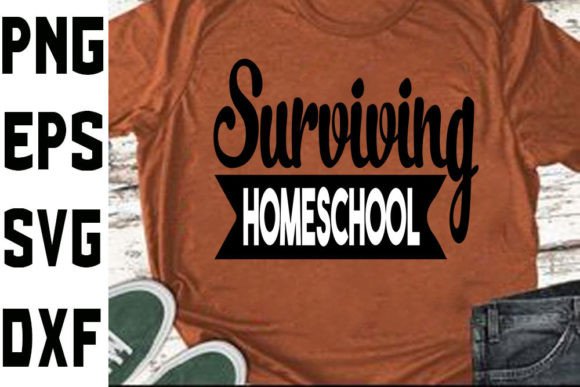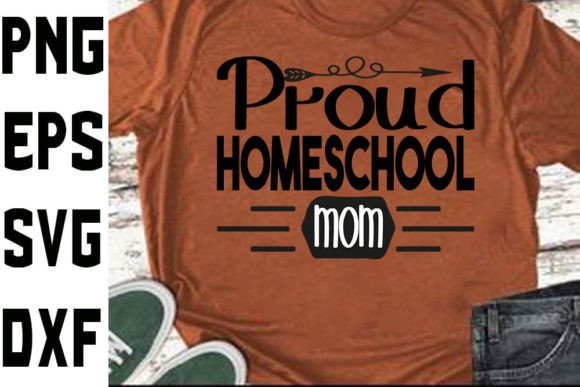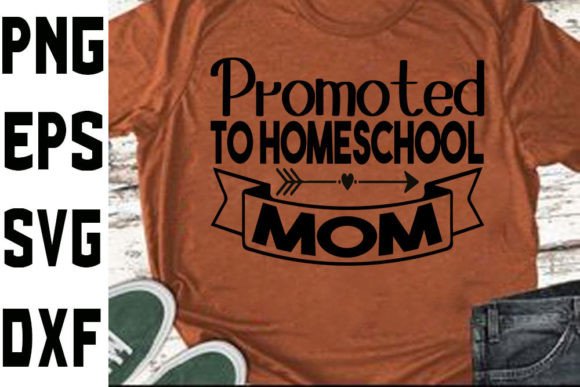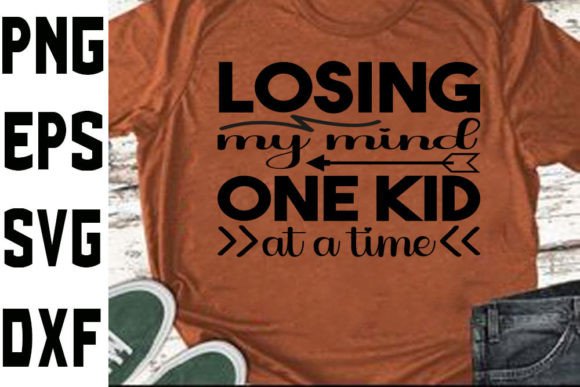
From Digital File to Embroidered Charm: The Homeschool Mom Design
When you’re scrolling through graphics looking for the next project that’s actually worth your thread and time, a design has to pass a few tests before it gets loaded into the machine. It needs personality, clear application, and a sense that it’ll stitch out cleanly. The Homeschool Mom SVG Design Coffee Becau is one of those files that immediately feels like it has a place—it’s not just a graphic; it’s a ready-to-use sentiment.
A First Impression of Warm Humor and Coffee-Stained Reality
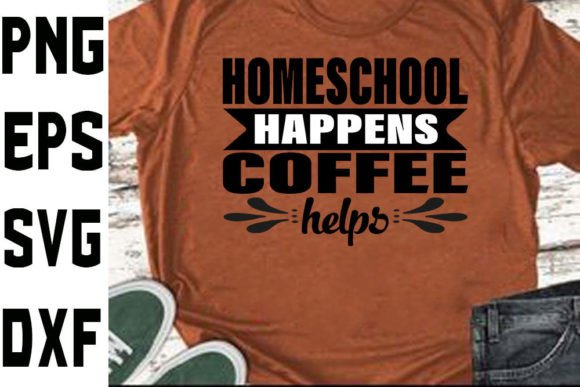
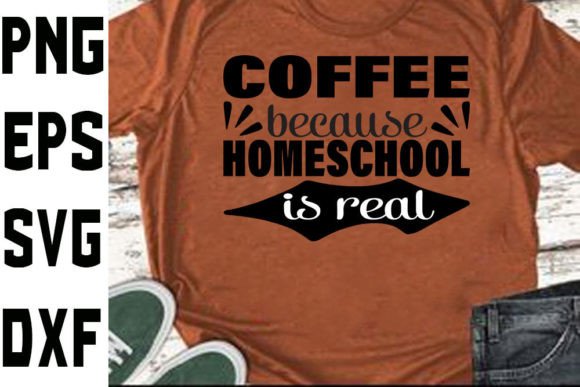
The first thing you notice is the mood. It’s friendly, a little humorous, and deeply relatable. The “Coffee because homeschool is real” tagline isn’t just text; it’s an entire vibe. The layout typically combines a cozy, illustrative coffee cup with clean, readable lettering. This isn’t an overly ornate, dense design. It has a visual personality that’s approachable, making it perfect for the kind of handmade product that feels like a gift from a friend, not a generic mass-produced item.
For an embroidery designer, that’s a green light. It tells you this design belongs on soft, comforting surfaces: a well-worn sweatshirt, a cozy apron, the corner of a baby blanket in a homeschooling household, or a simple canvas tote bag meant for library trips. It’s a graphics file with a clear purpose, which is exactly what you want when planning real projects.
Where This Design Stitches Up Perfectly
Let’s talk application. I’m imagining a custom order for a client—maybe a homeschooling mom who wants a personalized tote bag. This design is a contender immediately. It’s not too large, so it fits nicely on a standard tote panel without overwhelming it. The theme is self-contained and understood in a glance, which is crucial for apparel decoration and small shop merchandise.
On a sweatshirt or t-shirt, it becomes a statement piece of casual wear. As an embroidered patch, it could be applied to a backpack or a cap, offering that handmade, boutique touch. For baby clothes or nursery decor items, paired with softer thread colors, it shifts from humorous to sweet—a nod to the parent’s world. On a kitchen towel or pillow cover, it becomes a functional, decorative home accent. Its versatility across these products comes from its balanced composition. The coffee cup element offers a small area for potential satin stitch or fill stitch detail, while the text provides clear, readable lines perfect for running stitch or a crisp satin column.
The Practical Considerations for a Clean Stitch Out
Now, the realism. No design is perfect for every scenario, and a professional review means noting where to tread carefully. The included file formats—SVG, PNG, EPS, DXF—mean you have flexibility for different software and machines, but the translation to stitches is key.
If the lettering is particularly small or has tight corners, you’ll want to test it on scrap fabric first. Smaller hoop sizes might struggle with clarity in the details. On textured fabrics like some sweaters or on thin, stretchy jersey, the stitch density needs to be right to prevent puckering. Dark fabric backgrounds require thoughtful thread color contrast—a bright white or cream satin stitch on the mug can pop beautifully, but you need to check that contrast in a black and white mockup before committing.
Curved surfaces like caps can be tricky; the design’s layout should be evaluated for how it will conform to that shape. And for products destined for frequent washing—like baby items or kitchen linens—you want to ensure the stabilizer choice and stitch structure are robust enough to maintain integrity. These aren’ flaws of the design; they’re just the standard checks any embroidery file deserves before it hits your main project.
How This Design Elevates Your Finished Product
Beyond the technical, this graphics file affects the final product’s appeal. When stitched cleanly, it conveys a sense of craftsmanship. The humor and honesty of the message build instant recognition and engagement. For a customer browsing your Etsy listings or craft fair table, it tells a story. That story increases the perceived value and giftability of the item. It feels personal, not generic.
For a small business owner, using a design like this consistently on a line of homeschool-themed products—totes, apparel, decor—can build brand consistency. It looks professional and curated. It fosters customer trust because the product clearly resonates with a specific audience. In a commercial embroidery project for a local boutique, it adds that handmade presentation that shoppers love.
A Designer’s Notes Before You Hoop the Fabric
Here’s my practical checklist, the things I’d do before loading this machine embroidery design for a real client order or my own craft business product:
- Run a test on the scrap fabric you intend to use. Check stitch density, especially in any filled areas of the coffee cup.
- Review the thread palette. Does it need high contrast on dark fabric, or softer tones on light backgrounds?
- Confirm your hoop size can accommodate the design with enough margin for clean edges.
- Inspect the small details in the lettering or mug illustration. Are they distinct enough for your machine’s capability?
- Always, always check the licensing provided with the files. Understand if it’s cleared for personal use, commercial embroidery projects, or if finished items can be sold in your small shop. This is a fundamental step for digital product sellers and creative entrepreneurs.
The Homeschool Mom SVG Design Coffee Becau, as a craft graphics asset, has that tangible potential. It moves from a digital file on your screen to an embroidered charm on fabric with a clear path. It’s about pairing the right sentiment with the right product, and executing the stitch work with the care that turns a good design into a great finished product.